The Buckeye Housing Market in 2026: Where the West Valley Favors Buyers
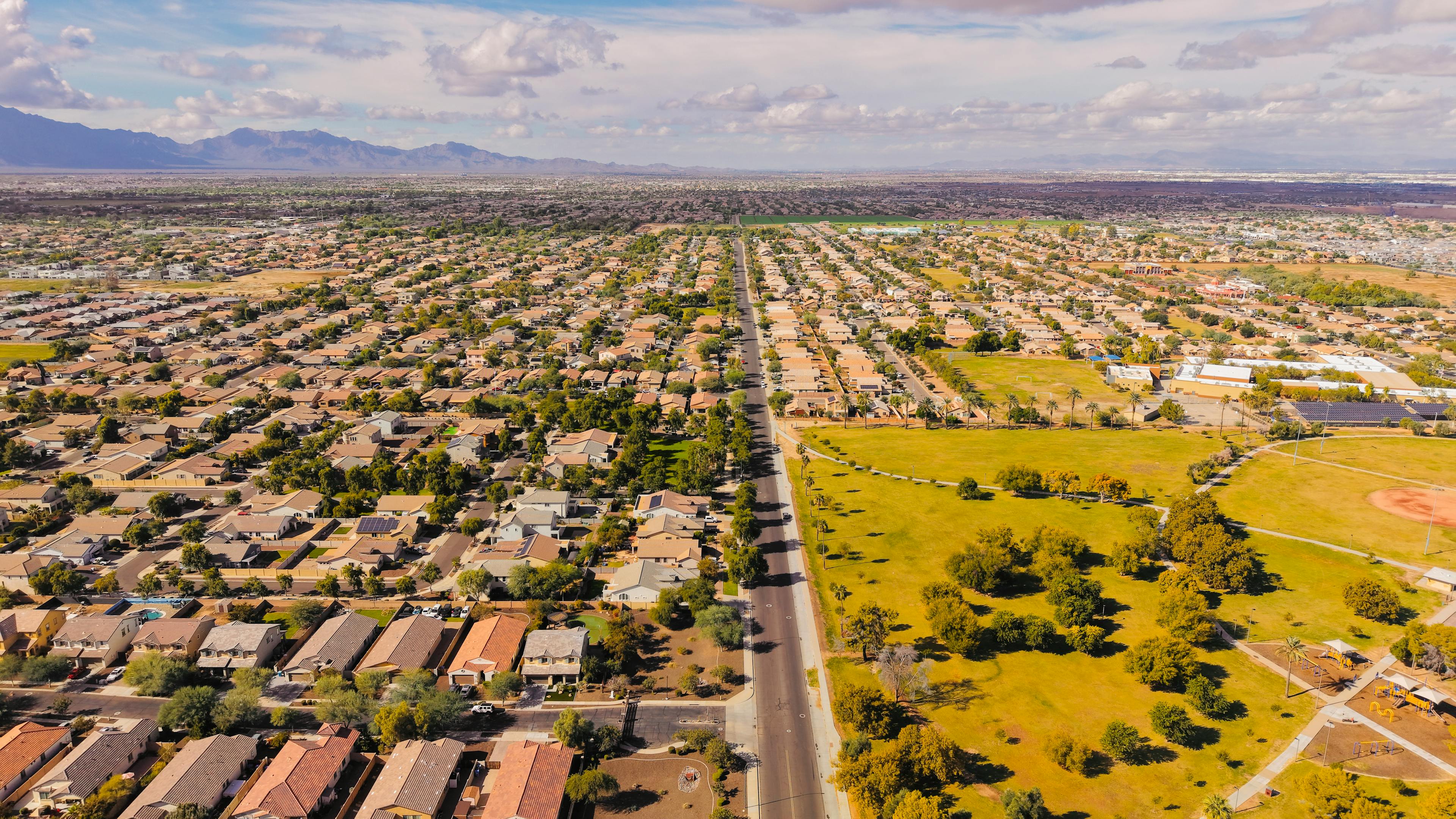
Buckeye gets talked about in extremes. Either it's "the fastest-growing city in America" or it's "too far out to matter." Neither framing helps a buyer decide anything. Here's how I'd read the far West Valley in 2026 if you're shopping it this year, and what to verify with current MLS data before you write an offer.
Where prices actually sit
I'm not going to quote you a citywide median from memory, because that number moves and it deserves a fresh pull the week you're shopping. The shape of it is this: Buckeye remains one of the lower price-per-square-foot markets in Greater Phoenix for newer construction, and pricing this year has felt flat to slightly soft rather than climbing. That's not a crash. It's a drift. New construction typically lists a bit above comparable resale, because builders are still delivering larger floor plans in the newer master-planned communities.
The broader trade is the one Buckeye has always offered: for a similar budget, you're generally getting a newer build and more square footage than you would closer in, in exchange for the commute. How much more depends entirely on the specific homes you compare, so compare actual listings rather than trusting a rule of thumb, mine included. What's changed lately is the leverage, not the trade.
The inventory picture is the real story
The pattern that matters for a buyer is this: active inventory in Buckeye has been elevated relative to the frenzied years, and homes are competing with each other for a smaller pool of buyers. Whether the exact months-of-supply figure lands in balanced territory or beyond it on the day you look, ask your agent to pull it, because that single number tells you how hard you can negotiate.
A big share of that inventory is new construction. Builders compete with each other before they compete with resale sellers, and that competition shows up as rate buydowns, closing cost credits, and design center incentives that don't appear in the list price. When there are multiple builders selling in the same corridor, you have options, and options are leverage.
Days on market: read this number correctly
Homes in a slower market take longer to sell, and averages get quoted a lot. Two honest notes on days-on-market figures:
- The average is dragged up by overpriced listings. A well-priced resale in a desirable community still moves in a few weeks. The homes sitting past day 90 are usually priced off last year's comps.
- Long days on market is a tool, not a warning. A listing that has sat for a couple of months will often take an offer below ask, and sometimes concessions on top. Pull the price history before you write. If the seller has already cut twice, your below-ask offer is landing on softened expectations.
What buyers should actually expect in 2026
- Negotiating room exists. Seller-paid closing costs and modest price reductions are normal asks right now, not aggressive ones. Asking does not lose you the house in most of Buckeye.
- Builder incentives are worth real money. A rate buydown from a builder's lender can be worth more per month than a headline price cut. Run both versions of the math before choosing.
- Inspection leverage is back. In 2021 buyers waived everything. In 2026 you can ask for the roof repair and usually get it, or get credited for it.
- Appraisal risk is lower. With prices flat to soft, appraisals have been less of a fight than they were when the market was running hot. That removes one stressful variable from the transaction.
The trade-offs, stated plainly
Buckeye is not the right answer for everyone, and pretending otherwise wastes your time. The commute to Central Phoenix runs 45 minutes to an hour in real traffic, and longer to the East Valley. Some newer communities are still years away from mature retail and shade trees. If your life runs through Tempe or Scottsdale daily, the monthly savings can get eaten by the drive.
But if you work in the West Valley, work remote, or split the difference, the math is hard to argue with. You're typically getting a newer home, a warranty-age HVAC system, and a lower price per square foot than most of the metro, in a market where you can negotiate without fear of losing the house to a cash offer twenty minutes later.
Is waiting smarter than buying?
The honest answer: nobody knows the bottom until it's behind us. What I can say is that supply looks elevated, plenty of sellers are motivated, and rates have kept some competition on the sidelines. Those conditions together are what buyer leverage looks like in practice. If rates drop meaningfully, some of that leverage evaporates as sidelined buyers come back.
I'd rather you buy a house you can comfortably afford in a soft market than time a bottom perfectly. If the payment works today and you plan to hold five-plus years, the month you close matters less than the discipline you bring to the offer.
Where to start
If Buckeye is on your list, the useful first conversation covers three things: your payment ceiling, whether new construction incentives or resale negotiating room fits your situation better, and which communities actually match your commute. I'll pull the current numbers for the specific neighborhoods you're considering, so you're deciding on this month's data instead of an article's. No pressure and no timeline attached. That's how I prefer to work anyway.
¿Piensas comprar o vender en Mesa, Buckeye o el área de Phoenix? Jack lee cada mensaje y responde en un día hábil.