Buying Acreage in New River in 2026: Wells, Septic, and What Your Budget Really Gets
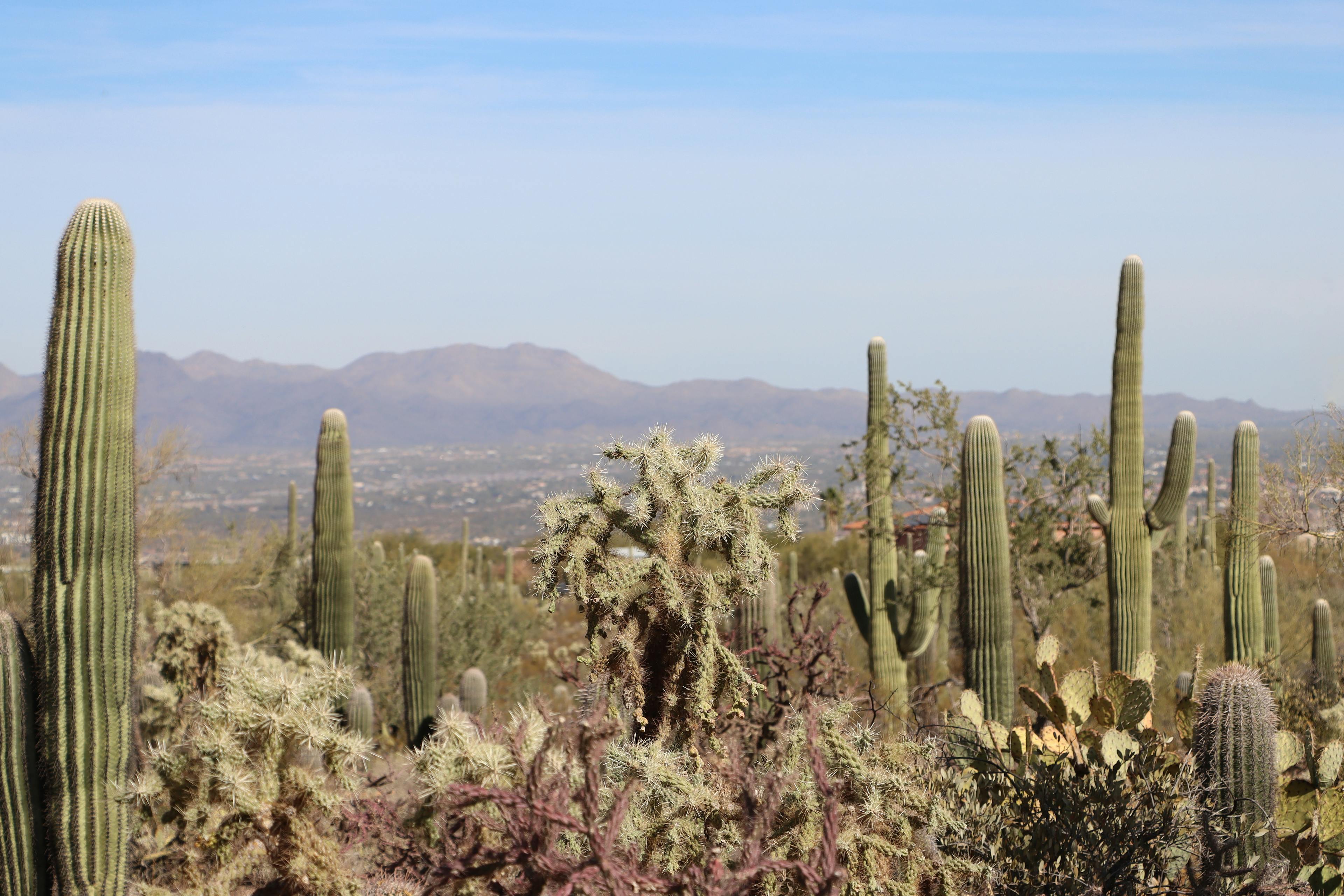
New River sits at the north edge of the Valley, past Anthem, where the subdivisions stop and the acre-plus lots begin. Buyers come here for three things: land, horse privileges, and no HOA. All three are real. So are the ways a New River purchase goes sideways, and most of them involve water.
What the money buys in 2026
New River is a small market, so monthly numbers swing. Through mid-2026, the median single-family sale has typically landed in the $570k-$700k band, running up mid-single digits year over year. Roughly speaking:
- $450k-$550k: a smaller site-built or manufactured home on one to two acres, often older, well and septic, likely some deferred maintenance
- $550k-$750k: the heart of the market. A 1,800 to 2,400 sqft home on one to five acres, horse setup common, views of Daisy Mountain or Gavilan Peak on the better lots
- $750k and up: newer custom builds, larger acreage, a shop or barn, and usually a stronger well
Homes here sit longer than in Mesa or Chandler. Days on market often run 60 to 95-plus, and that's normal for rural product, not automatically a red flag. It also means buyers have negotiating room that doesn't exist closer in.
Water is the whole conversation
Most of New River has no municipal water. A property gets its water one of three ways, and the difference is worth tens of thousands of dollars:
- Private well on the parcel. The best case, but not all wells are equal. Ask for the well registration, the drill date, the depth, and any flow or water-quality tests. A tired well that needs to be deepened or replaced can run $25k-$50k. Order a well inspection the same way you'd order a home inspection. It is a separate line item and worth every dollar.
- Shared well. Common here. The well sits on one parcel and serves several through a shared well agreement. Read that agreement before you write the offer, not during escrow. Who pays for the pump when it fails? What happens if the well owner sells? A vague or unrecorded agreement is a real problem, and lenders care about it too.
- Hauled water. Some parcels rely on a storage tank filled by truck. People live this way comfortably, but it changes your monthly costs, your resale pool, and sometimes your financing options. If the listing is quiet about the water source, that silence usually means hauled.
Septic is the other half. Arizona requires a septic inspection and transfer at sale, so that part is built into the process, but ask the age of the system anyway. Replacement runs $15k-$30k on many of these lots.
The no-HOA trade-off
Most of New River, especially the custom-acreage areas off Circle Mountain Road and New River Road, has no HOA. That means no monthly fee, no approval to build your shop, and room for horses, trailers, and RVs.
It also means your neighbor has the same freedom. Drive the street at different times of day before you commit. And check the county zoning yourself rather than trusting the listing's "horse property" line. Almost everything here is Maricopa County jurisdiction, and the parcel's zoning tells you what's actually allowed.
Two more items that bite buyers in this area:
- Legal access. Some parcels are reached by dirt roads crossing other private land. Confirm recorded easements. "Everyone has always driven through there" is not a title condition.
- Road maintenance. Many roads are privately maintained or not maintained at all. Ask who grades the road and who pays. After a monsoon, this stops being a theoretical question.
Flood and fire, briefly
The washes here run hard in monsoon season. Check the FEMA flood map for the parcel, because flood insurance on a wash-adjacent lot changes the monthly math. And desert lots with heavy brush are getting more scrutiny from insurers. Get an insurance quote during your inspection period, not after.
The honest answer
New River in 2026 is one of the better values in the north Valley for buyers who genuinely want land. You typically get two to four times the lot for the same money as a comparable house in Anthem, plus the freedom that comes with no HOA. The cost is complexity: well due diligence, septic, easements, insurance, and a longer, more careful escrow.
The buyers who do well here budget an extra $1,500-$2,500 for inspections beyond the standard home inspection, and an extra week or two of patience. The ones who struggle are the ones who treated it like buying in a subdivision.
If you're weighing New River against Anthem or Desert Hills, the useful starting point is the same three numbers as always: your pre-approval ceiling, your monthly payment ceiling including insurance, and how much land maintenance you actually want to own. I'm happy to walk through parcels with you before you fall in love with one.
¿Piensas comprar o vender en Mesa, Buckeye o el área de Phoenix? Jack lee cada mensaje y responde en un día hábil.