The Mesa Housing Market in 2026: From Seller's Market to Balanced
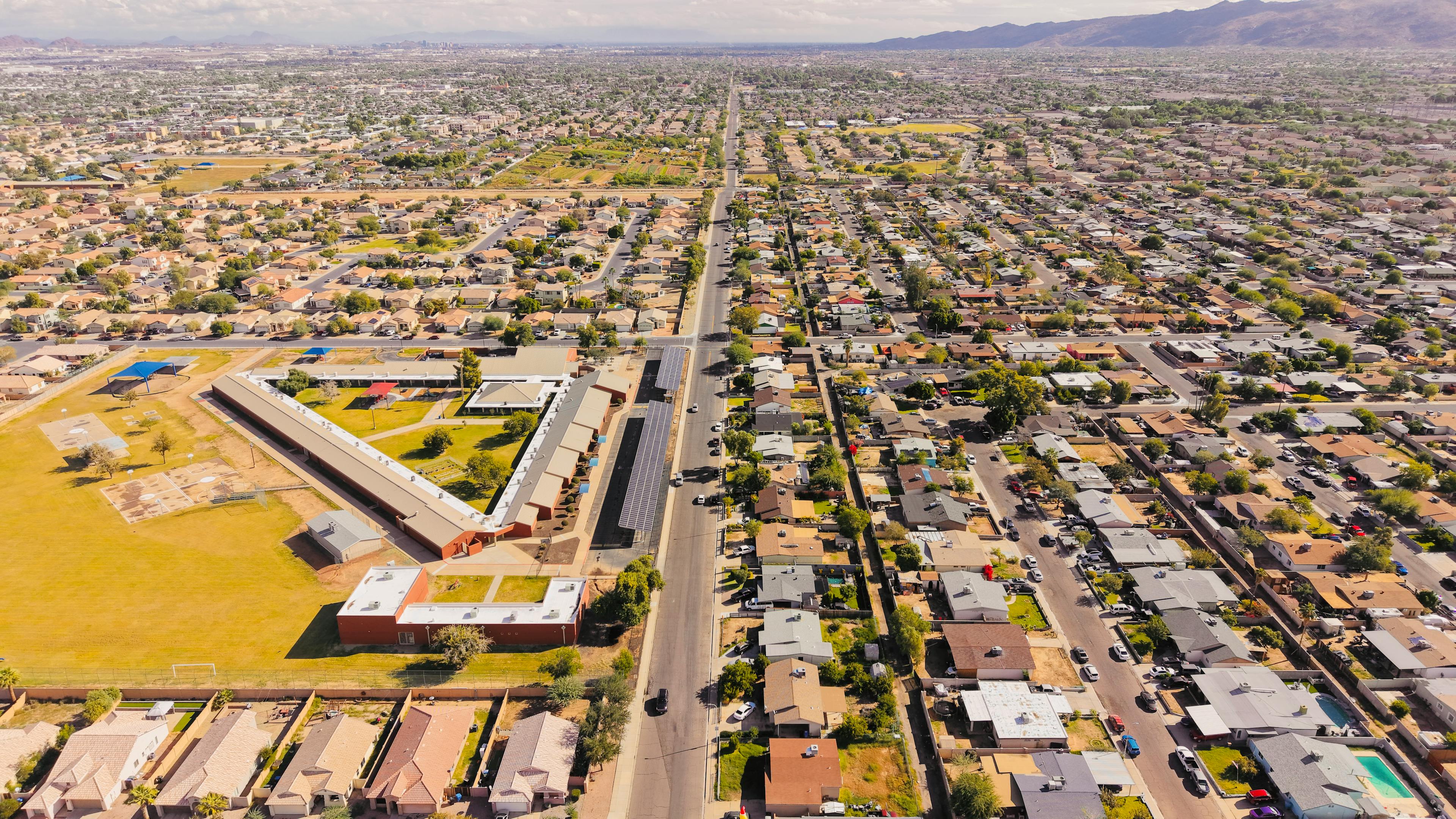
Every August someone asks me whether the Mesa market is crashing or about to take off again. The honest answer in 2026 is neither. The market has cooled from the frantic years, inventory has rebuilt, and buyers have more room to think than they've had in a long while. That's not a crash. It's a normal market, and most people under 40 have never actually shopped in one.
Where prices actually sit
Depending on which slice of the data you pull, Mesa's median sale price this summer sits somewhere in the $440k to $480k band. Single-family detached homes cluster toward the top of that range; condos and townhomes pull the blended number down. Year over year, prices are roughly flat to modestly down, typically in the 2 to 5 percent range depending on the neighborhood and the month you measure from.
Two things are worth saying plainly about that.
First, a 3 or 4 percent dip after the run-up Mesa saw from 2020 to 2024 is a rounding error, not a collapse. Sellers who bought before 2022 are still sitting on substantial equity.
Second, the citywide median hides a lot. Central Mesa East and the older grid neighborhoods behave differently than Eastmark or Las Sendas. A flat median can mean starter homes holding firm while the $700k-plus segment softens, and that's roughly what I'm seeing on the ground.
Inventory is the real story
The number that matters most in 2026 isn't price. It's supply. Mesa spent years under one month of inventory, which is why everything sold in a weekend with eight offers. This year, months of supply has been running somewhere in the 2 to 3.5 month range depending on the price band and the source. That's still below the 4 to 6 months that textbooks call balanced, but it's a different world than 2021.
What that looks like in practice:
- Days on market have stretched. Well-priced homes still move in two to three weeks, but the typical listing is sitting closer to 50 to 65 days.
- Sale-to-list ratios are running just under full price, typically in the 97 to 98 percent range.
- Price cuts are back. A meaningful share of active listings have reduced at least once, which tells you more about original pricing than about value.
For buyers, this means the inspection period is a real inspection period again. You can write an offer with a financing contingency, negotiate repairs, and not lose the house to a cash buyer waiving everything.
Rates and concessions
Mortgage rates in 2026 have mostly held in the low-to-mid 6 percent range. Nobody should plan a purchase around a predicted rate drop. What buyers should plan around is concessions. In the $300k to $600k band, it has become common, not rare, for sellers to contribute toward closing costs or a rate buydown. A 2-1 buydown or a permanent buydown funded by the seller can move your effective payment more than a small price cut would.
Builders in East Mesa and the surrounding submarkets are still offering incentives on standing inventory. If you're comparing resale to new build, price the incentive package, not just the sticker.
What this means if you're buying
A few practical notes for a Mesa buyer this fall:
- You have time, but not unlimited time. Homes priced right still go under contract in weeks. The leverage is on stale listings, not fresh ones.
- Day 30 to day 45 is where negotiations happen. On listings that have sat, offers a few percent below ask with a concessions request are getting accepted more often than not.
- Underwrite the house, not the market. Roof age, HVAC condition, and insurance costs matter more to your ten-year outcome than whether the median moves 2 percent either way next spring.
What this means if you're selling
Price to the last 90 days of closed comps, not to your neighbor's 2022 sale. Homes that chase the market down with serial price cuts net less than homes priced honestly on day one. Budget mentally for a concession request, because most offers in the mid-market now carry one.
The honest answer
Mesa in 2026 is a balanced market with a slight lean toward buyers. Prices are roughly flat, inventory is normal-ish, and the deals are made in negotiation rather than in bidding wars. That's a healthier market than the one we had, even if it's a less exciting headline.
If you're weighing a move on either side of a Mesa transaction, the useful conversation starts with your specific numbers: what you'd net as a seller after concessions, or what your real monthly payment looks like as a buyer with a buydown on the table. I'm happy to run both with you, no pressure attached.
¿Piensas comprar o vender en Mesa, Buckeye o el área de Phoenix? Jack lee cada mensaje y responde en un día hábil.